Phone Case Materials Explained — TPU, PC and Hybrid Builds: A Wholesale Buyer’s Guide
The material decides the return rate, not just the look
Browse any phone case catalogue — including ours, with 293 designs across iPhone and Samsung lines — and most of what you see is the same three building blocks: a flexible TPU body, a rigid polycarbonate (PC) plate, or a hybrid of the two. The differences between them decide how a case feels in the hand, how it survives a drop, how it looks after three months in a hot delivery van, and ultimately whether your customer comes back to buy the next model.
This guide explains what a wholesale buyer should know about each material, the coatings that sit on top of them, and how to match the mix to your market — before you commit to a container.
TPU — the flexible workhorse
Thermoplastic polyurethane (TPU) is the elastic, rubber-like material behind most slim and impact cases. In phone cases it typically sits around 85–95A on the Shore hardness scale: soft enough to flex over a corner, firm enough to hold a phone securely.
- Strengths: shock absorption at the corners, grip, easy moulding for raised camera lips and button covers, and the lowest tooling cost — which is why the widest variety of designs exists in TPU.
- Watch-outs: clear TPU yellows with UV exposure and age; uncoated TPU picks up a shiny, tacky sheen over time; and very soft compounds can feel thin on premium phones.
- What to test on a sample: corner flex (it should recover, not crease), button feedback, and how the material behaves around the camera cutout.
PC — the rigid, print-friendly shell
Polycarbonate is the hard, dimensional shell used on its own for slim matte cases and, far more often, as the back plate inside hybrid builds.
- Strengths: rigidity that keeps a phone looking slim, excellent scratch resistance compared with bare TPU, a stable surface for logo printing and finishes, and precise camera cutouts.
- Watch-outs: it does not absorb impact the way TPU does — a pure PC shell can crack at the corners when dropped, which is why serious protective cases rarely use PC alone.
- What to test: edge finishing (no flash lines), cutout alignment against the actual phone, and scratch behaviour after a week in a pocket with keys.
Hybrid builds — why they dominate modern catalogues
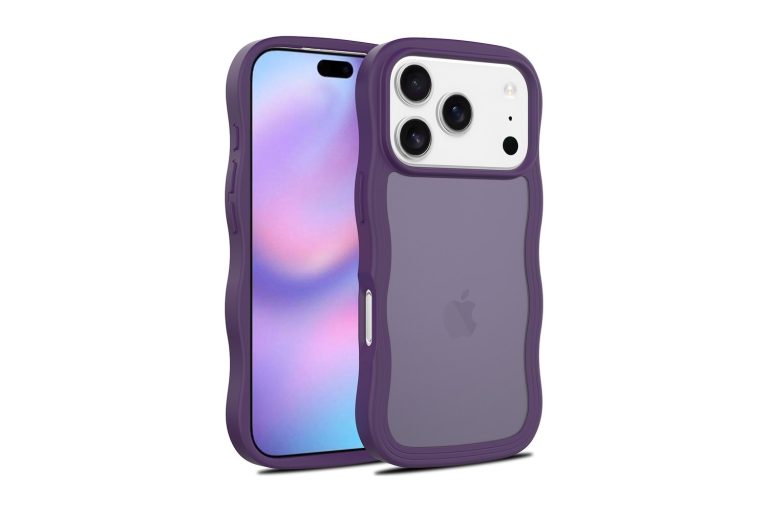
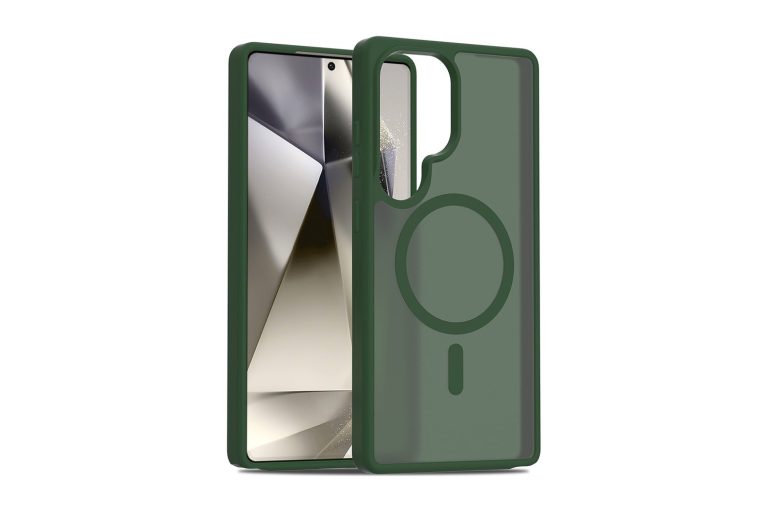
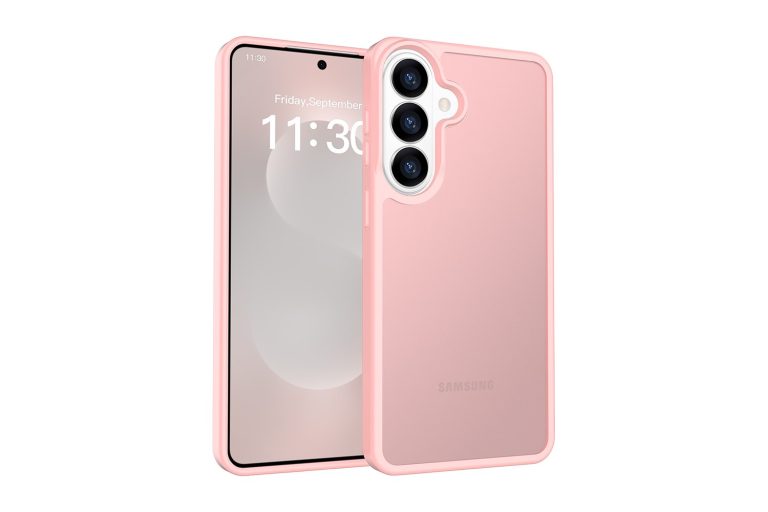
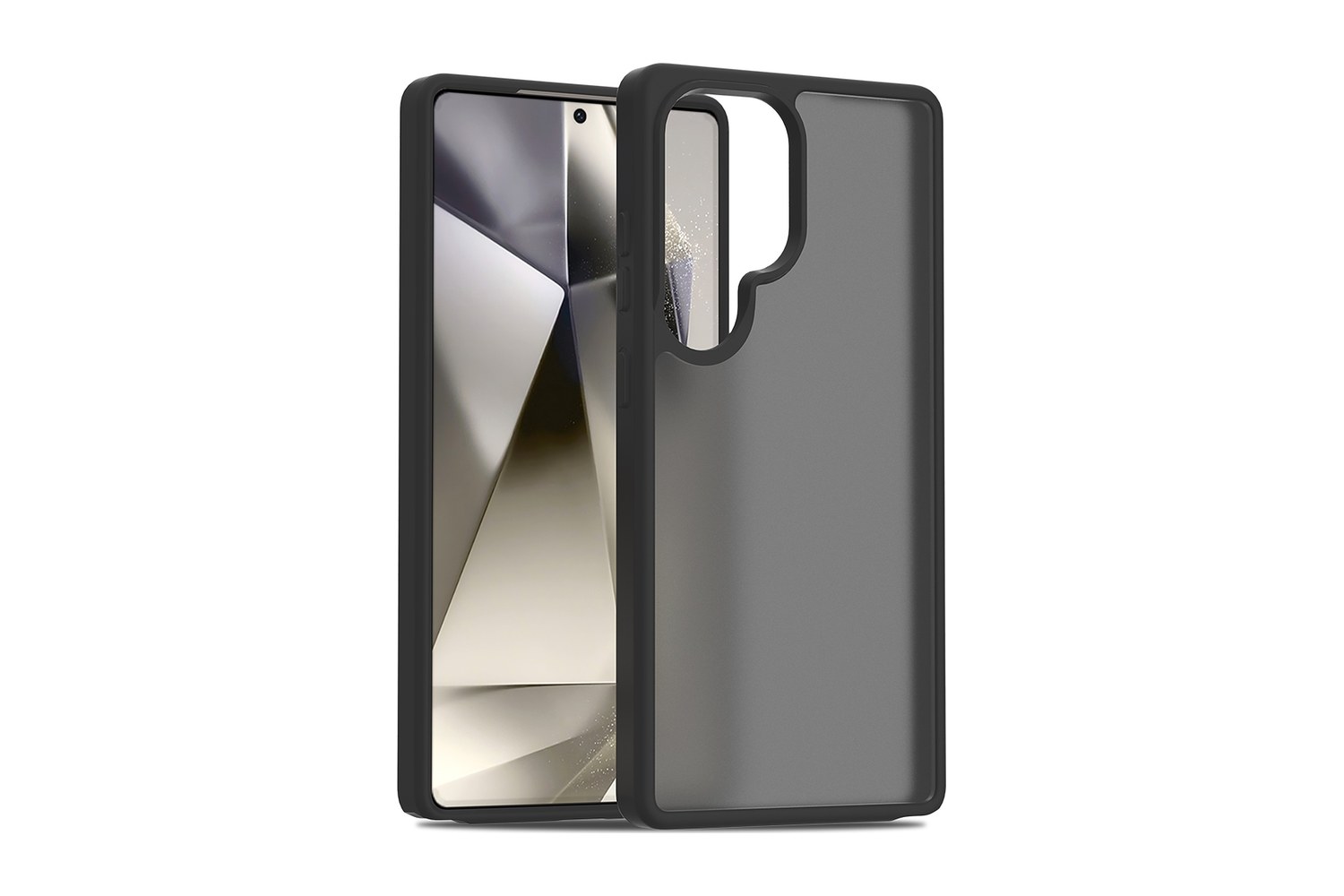
The majority of today’s best-selling cases are hybrids: a rigid PC back plate bonded to a TPU bumper frame. You get the printed, scratch-resistant face of PC with the corner absorption of TPU. Most of our own range follows this logic — the “skin-feel” matte cases, the magnetic builds, and the rugged and shockproof lines all combine the two materials with different geometry and thickness.
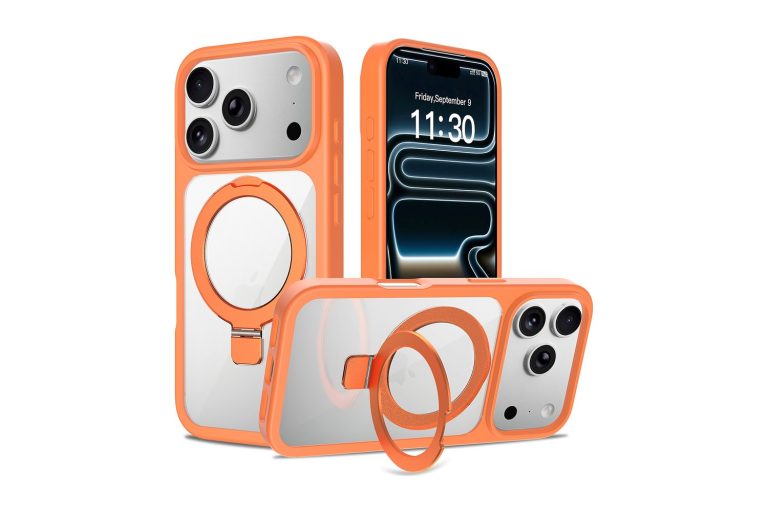
For magnetic cases, the hybrid construction matters even more: the magnet ring must sit at exactly the right alignment and strength for chargers and wallets to latch on reliably. That is a function of assembly precision, not the magnet alone — see our MagSafe-compatible magnetic case guide for what to check.
Coatings and finishes — where quality actually varies
Two finishes dominate wholesale catalogues, and both are applied over TPU or PC:
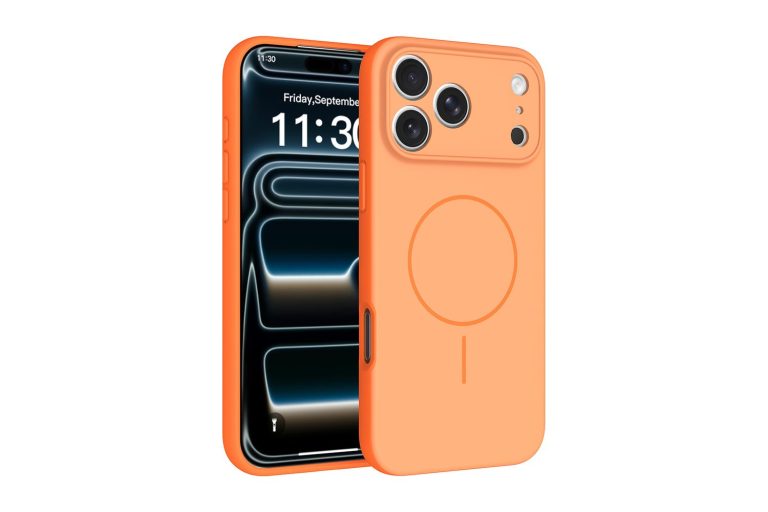
- Skin-feel (soft-touch matte) coatings: the velvety, non-slip matte texture many buyers describe as “silicone-feel”. Note the industry reality: most cases sold this way are coated TPU or PC, not stitched liquid silicone — the coating quality is what separates a case that still feels good after six months from one that turns shiny and peels at the edges.
- Frosted transparent: hides fingerprints and micro-scratches far better than gloss clear, and ages more gracefully in the showcase.
On any sample, run a simple abrasion test — rub the coated surface firmly with a cloth (or an alcohol swab for a harsher test) twenty times. A weak coating will dull or lift. This five-minute check is the single best predictor of whether the finish survives handling in retail.
Matching the material mix to your market
The right catalogue mix depends on where — and how — your customers use their phones:
- Gulf markets (the UAE, Saudi Arabia, Oman, Jordan, Kuwait, Qatar): sustained heat — a car interior in summer can far exceed the ratings of cheap coatings — makes finish durability and UV behaviour the deciding factors. Frosted and coated matte builds hold their appearance better than gloss clear. More market context in our Middle East wholesale guide.
- Australia and New Zealand: high outdoor activity and tradie demand tilt the mix toward rugged, drop-rated builds — see the AU/NZ sourcing guide.
- The United Kingdom: a mature retail market where packaging and compliance presentation carry the sell-through — pairing the right material with retail-ready packaging matters, as in our packaging and labelling checklist.
Test before you commit — the sample routine
Never place a first order on renders alone. The routine we recommend to every new buyer:
- Order samples of the shortlisted builds — 1 to 5 pieces per style, with no sample fee, shipped by DHL in 2–5 days.
- Run the physical checks: the coating rub test above, corner drop onto hardwood, button and port alignment on a live phone, and (for magnetic builds) latch test with chargers and wallets.
- Compare against your price point: a material and finish that survives the rub test at your target landed cost is the one to scale — our quotation breakdown guide shows how to put that cost together.
MOQ, colours and customisation
Stock orders start at 50 pieces per style and colour, which keeps it practical to build a mixed-material assortment without over-committing to any single build. When you are ready to differentiate your shelf:
- Custom colours: from 500 pieces per style and colour.
- Logo printing on the case or the standard box: from 500 pieces per style and colour.
- Fully customised retail packaging: from 5,000 pieces per style and colour.
The OEM/ODM customisation guide walks through how each option works.
How SendaFit builds and stands behind its cases
Our range is produced by our manufacturing partner, which operates a quality management system certified to ISO 9001:2015 in a 10,000+ m² production facility and has been building phone cases for nearly a decade. Every order is backed by a 30-day inspection and claim window and a 12-month warranty, with production lead time of 3–5 weeks after payment confirmation.
Choosing the right material mix is also about avoiding the classic first-order errors we list in our sourcing mistakes guide — over-committing to one build before samples, or judging purely on unit price.
FAQ — phone case materials
Which is better, TPU or PC? They do different jobs. TPU (85–95A on the Shore scale) flexes and absorbs corner impacts; PC is the rigid, scratch-resistant, print-friendly shell. Most modern best-sellers are hybrids — a PC back plate bonded to a TPU bumper — so you get both.
Will a clear case turn yellow? Clear TPU yellows with UV exposure and age; it is material behaviour, not a defect. Anti-yellowing blends and quality coatings slow it down markedly — judge this with the coating rub test on samples, not from photos.
Are “silicone-feel” cases real silicone? Usually not. Most are TPU or PC with a soft-touch matte coating, and the coating quality is what decides whether the case still feels good after six months or turns shiny and peels at the edges.
How do I check quality before committing to bulk? Order 1–5 sample pieces per style (no sample fee, DHL 2–5 days), then run the physical checks: the coating rub test, a corner drop onto hardwood, button and port alignment on a live phone, and a latch test with chargers and wallets for magnetic builds.
What are the MOQ and lead times? MOQ 50 pcs per style and colour with free mixing; production runs 3–5 weeks after payment confirmation, and every order carries a 30-day inspection window and a 12-month warranty.
Next steps
- Browse the full range of 293 designs across iPhone and Samsung in the wholesale catalogue.
- Request pricing on your shortlist via the wholesale terms and MOQ page or contact us directly.
- Keep planning with the rest of our wholesale buying guides.
Where to start in the range
The builds described above are easiest to compare on real stock. These lines cover the clear, matte and reinforced constructions in turn.
- Clear Two-in-One Camera-Button Case for iPhone 17
- Matte Skin-Feel Two-in-One Case for iPhone 17 Pro (Fits iPhone 18 Pro)
- Clear 360° Stand Case for iPhone 16e
- Precise-Cutout Matte Skin-Feel Case for Galaxy S26 Ultra
- 360° Full-Body Two-in-One Case for iPhone 16e
- Clear Two-in-One Case for iPhone 17
- Clear Two-in-One Case for iPhone 16 Pro Max
- Clear Two-in-One Case for iPhone 16 Pro
Every style is in stock in 50 pcs per style and colour, and colours mix freely inside a single order. Browse the full catalogue of 293 in-stock styles, or send the models you need and we will quote them line by line.
SendaFit — 293 designs in stock · MOQ 50 pcs per style & colour · DAP/DDP to AU · NZ · UK · UAE · SA · OM · JO · KW · QA, the US and Canada.
Get our full catalogue (PDF) or a quick quote — fastest reply on WhatsApp.
💬 WhatsApp us: wa.me/8618093633327Send a bulk inquiry →