Phone Case Import Duty, GST/VAT and Landed Cost — A 2026 Guide for Our Eleven Core Markets
Why landed cost — not unit price — decides whether you make money
Most first-time importers compare phone case suppliers on the unit price on the quotation. That number tells you almost nothing about your real cost. Duty, VAT/GST, freight, insurance and destination charges can easily add 15–40% on top of the FOB price — and they differ enormously between Australia, New Zealand, the UK, the UAE, Saudi Arabia, Oman, Jordan, Kuwait and Qatar.
This guide walks through how landed cost is actually built up for phone case imports, what each market charges, and the questions you should put to any supplier before you commit to an order.
The five layers of a landed cost calculation
| Layer | What it covers | Who normally pays |
|---|---|---|
| 1. Goods value | The supplier’s unit price × quantity | You (to the supplier) |
| 2. Freight | Air or sea, plus origin handling | Depends on Incoterm |
| 3. Insurance | Typically 0.3–0.5% of CIF value | Depends on Incoterm |
| 4. Customs duty | Calculated on the customs value (usually CIF) | You, at import |
| 5. VAT / GST + clearance fees | Consumption tax on the duty-paid value, plus broker and destination charges | You, at import |
The mistake almost everyone makes is stopping at layer 1, or asking for a “DDP price” without understanding which of layers 2–5 the supplier has actually included. A DDP quote that quietly excludes destination VAT is the single most common source of margin surprises.
Market-by-market: what importers should expect
Rates and thresholds change, and the tariff classification of your specific product decides the duty rate. Always confirm with your customs broker. That said, the structure below is what phone case importers typically work with today.
Australia
- GST: 10% on the vast majority of imported goods.
- Low-value threshold: goods valued at or below AUD 1,000 are generally GST-only and duty-free; above that, customs duty applies in addition.
- Duty: classification-dependent. Phone cases commonly attract a low single-digit rate or zero under the current tariff — confirm the classification with your broker before you build a price.
- Practical point: an AUD 850 shipment and an AUD 1,050 shipment of the same goods can behave very differently at the border. Splitting shipments is a legitimate planning conversation — but confirm the rules first.
New Zealand
- GST: 15%, and since December 2019 GST applies to imported goods regardless of value for registered suppliers.
- Duty: applies per tariff classification; many consumer plastic goods are duty-free.
- Practical point: New Zealand’s low-value GST collection means your landed cost is more predictable in NZ than in Australia, but the GST rate is higher.
United Kingdom
- VAT: 20%.
- GBP 135 threshold: consignments valued at or below GBP 135 generally have VAT collected at the point of sale by the seller; above GBP 135, import VAT and duty are handled at the border.
- Duty: classification-dependent, plus a customs handling fee from the courier.
UAE, Saudi Arabia, Oman, Jordan, Kuwait and Qatar
- Common customs duty: The six states apply a common customs tariff of around 5% on most goods.
- VAT: regimes differ by state and are still changing. Confirm the current status for the specific country you are shipping to rather than assuming a single region-wide answer.
- Practical point: customs clearance documentation matters more here than tax rate. Arabic labelling, an attested invoice and a correctly declared HS code prevent far more delays than a one-point rate difference.
Incoterms: who pays for what
| Incoterm | Supplier pays up to | You pay |
|---|---|---|
| FOB / FCA | Port/airport in China | Freight, insurance, duty, VAT/GST, clearance |
| DAP | Delivery to your door, duty and VAT/GST unpaid | Duty, VAT/GST, clearance fees |
| DDP | Everything, including duty and VAT/GST | Nothing — but verify what is genuinely included |
If you have your own freight forwarder and an established customs process, FOB is usually cheapest. If you are new to importing, DAP removes the freight variable while keeping tax transparent. DDP is the most convenient and the easiest to get wrong — always ask the supplier to state explicitly whether destination VAT/GST is inside the quoted number.
A worked structure you can fill in yourself
Take a 1,000-piece order. Build the calculation in this order and never skip a line:
- Goods value (unit price × qty)
- Add international freight and insurance → this is your CIF value
- Apply customs duty to the CIF value → duty amount
- Add duty to CIF, then apply VAT/GST → tax amount
- Add broker fees, destination handling and any last-mile charges
- Divide the total by the sellable unit count — remember that some pieces will be samples, damages or spares
The number you get at step 6, not the quotation’s unit price, is the number your margin depends on.
Six questions to put to any supplier
- Which Incoterm is this quotation based on, and is destination VAT/GST included or excluded?
- Can you quote both air and sea so I can compare landed cost, not just freight cost?
- Master carton dimensions, weight and pieces per carton — so I can sanity-check the freight quote?
- What HS code do you declare, and can you provide it in writing for my broker?
- Can I order a small sample quantity first to validate quality before the duty and freight commitment?
- What is the MOQ per colour and per style, and can styles be mixed in one carton?
Questions 3, 4 and 6 are the ones suppliers who have actually exported can answer instantly. If a supplier cannot produce a master carton specification, that is a useful signal about their export experience.
How SendaFit quotes
SendaFit works with importers, distributors and retailers in Australia, New Zealand, the UK, the UAE, Saudi Arabia, Oman, Jordan, Kuwait and Qatar. Our default approach is deliberately transparent on cost structure:
- MOQ 50 pcs per style and colour, with models and colours mixable in one order
- Sample orders of 1–5 pcs are accepted so you can validate before committing to a container or air shipment
- Freight options quoted side by side — DAP to your door, DDP all-inclusive, or FCA/FOB if you prefer your own forwarder
- T/T bank transfer only — full payment on orders below 2,000 pcs, or a 50% deposit with the 50% balance before shipment on qualifying orders of 2,000 pcs or more
If you want a landed-cost comparison rather than a bare unit price, tell us the destination city, the quantity and whether you want air or sea. We will quote the structure explicitly so you can drop your own duty rate into the model.
Next steps
- Browse the full wholesale range (293 designs across iPhone and Galaxy)
- Read Air vs Sea Freight for Phone Case Wholesale for the freight half of this calculation
- See why SendaFit only accepts T/T and how the payment schedule works
- Read how to verify a phone case supplier before your first order
- Request a wholesale quotation or contact us with your destination and quantity
This guide explains how landed cost is structured and is not customs advice. Tariff classifications, duty rates and tax thresholds change; confirm the numbers that apply to your shipment with your own customs broker or freight forwarder before you price your retail.
Where to start in the range
Landed cost is calculated per unit, so it helps to compare a light style against a heavy one. This selection spans that range.
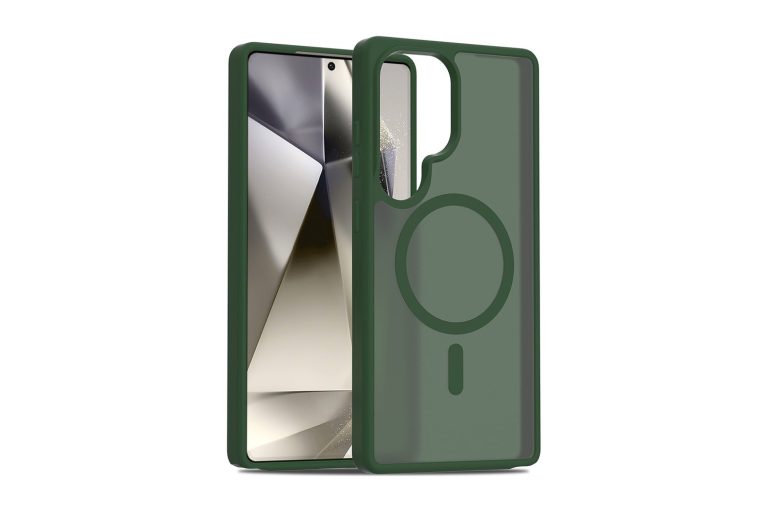
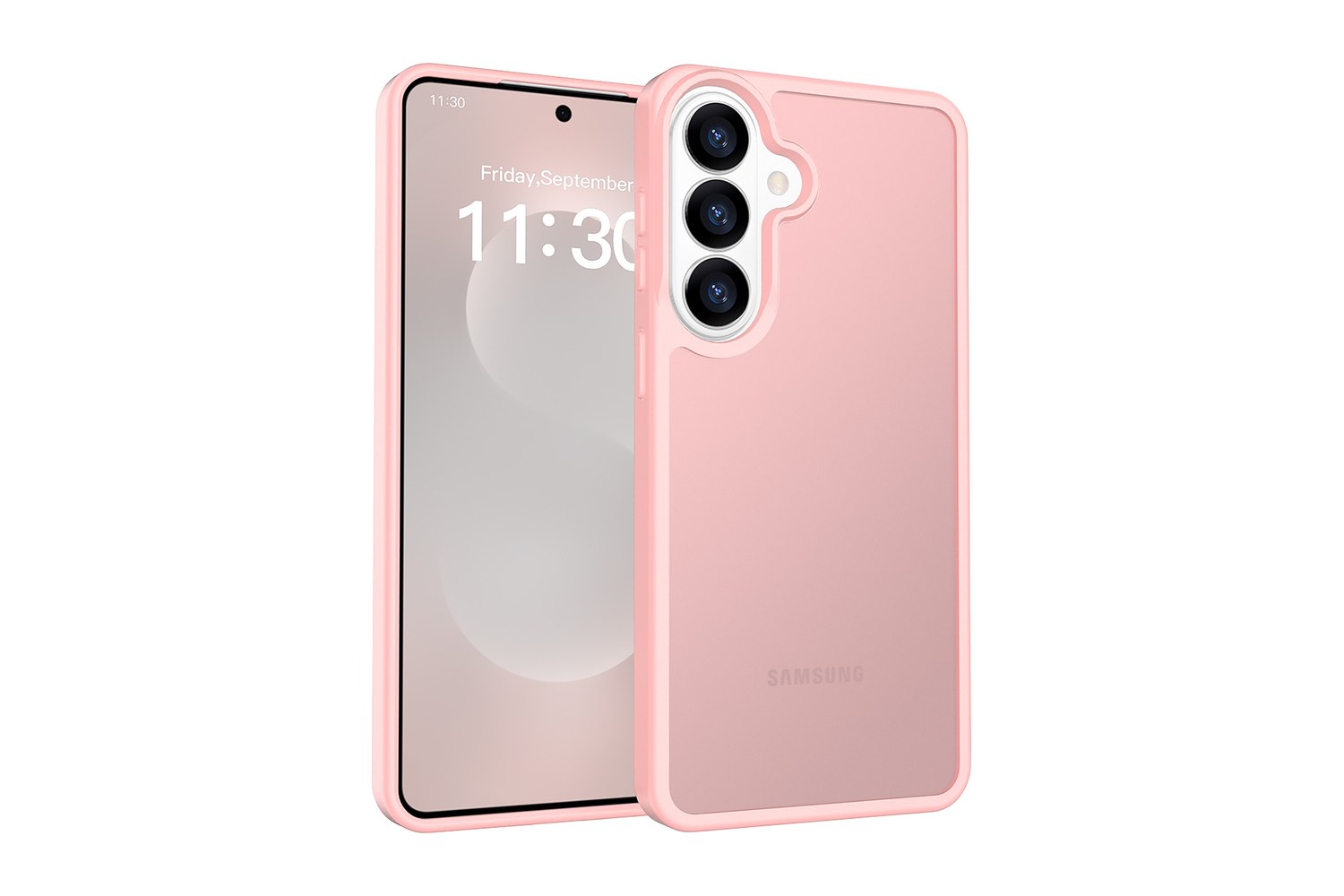
- Clear Two-in-One MagSafe Case for Galaxy S26
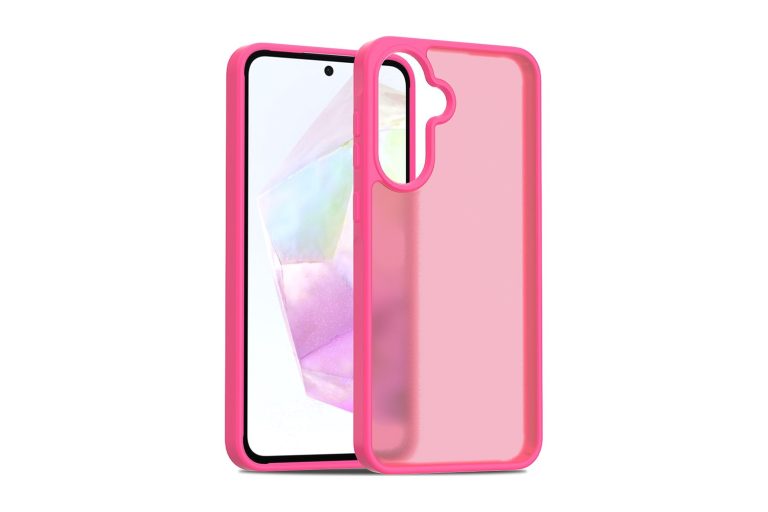
- Matte Skin-Feel Two-in-One MagSafe Case for Galaxy A36 (A56)
- Iridescent Two-Tone MagSafe Case for iPhone 18 Pro Max (Fits iPhone 17 Pro Max)
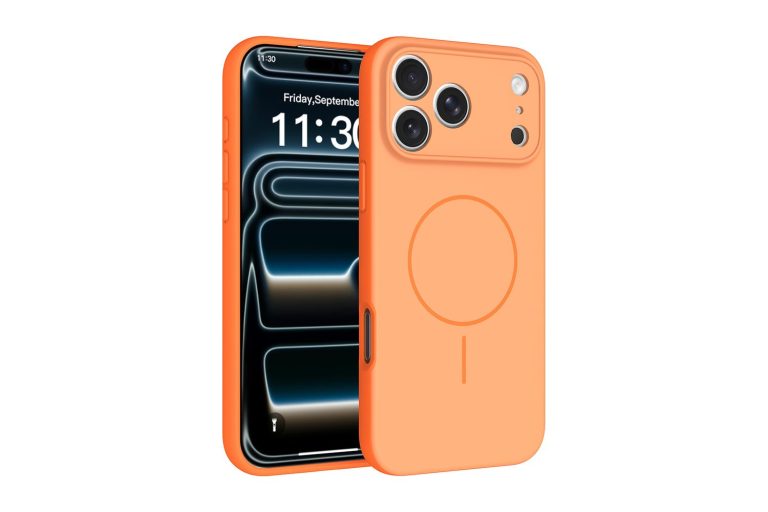
- Precise-Cutout Matte Skin-Feel Case for iPhone 16
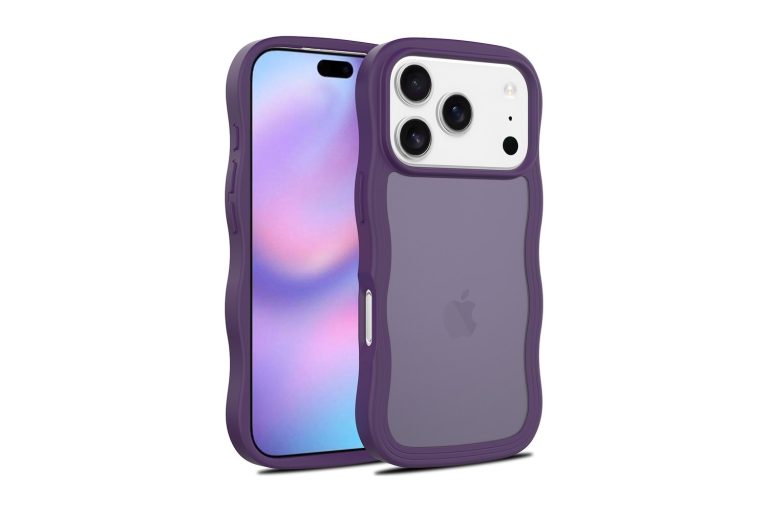
- Wavy Matte Two-in-One Case for iPhone 17 Pro Max (Fits iPhone 18 Pro Max)
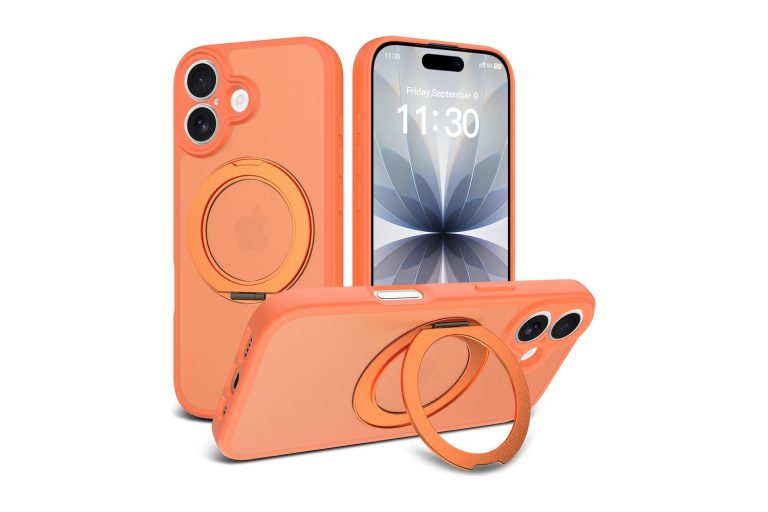
- Precise-Cutout Matte Skin-Feel Racket-Stand Case for iPhone 16
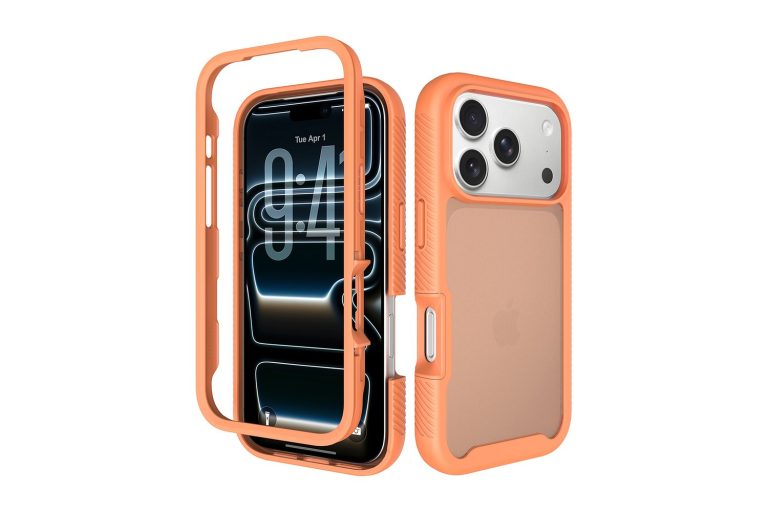
- Clear Two-in-One Camera-Button Case for iPhone 18 Pro Max (Fits iPhone 17 Pro Max)
- Clear Two-in-One Case for iPhone 17 Pro (Fits iPhone 18 Pro)
Every style is in stock in 50 pcs per style and colour, and colours mix freely inside a single order. Browse the full catalogue of 293 in-stock styles, or send the models you need and we will quote them line by line.
SendaFit — 293 designs in stock · MOQ 50 pcs per style & colour · DAP/DDP to AU · NZ · UK · UAE · SA · OM · JO · KW · QA, the US and Canada.
Get our full catalogue (PDF) or a quick quote — fastest reply on WhatsApp.
💬 WhatsApp us: wa.me/8618093633327Send a bulk inquiry →